
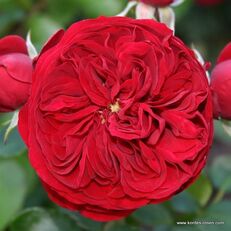
Purple Coneflower Lakota Rose Echinacea


≈ $7.57

Charakterystyka rośliny
Opis Gatunku
Rodzaj jeżówka obejmuje wiele gatunków i odmian wywodzących się od Echinacea purpurea, E. pallida, E. paradoxa, E. simulata oraz bardzo liczną, niezwykle atrakcyjną grupę odmian mieszańcowych. Wszystkie rośliny posiadają sztywno, wzniesione pędy, średnia wysokość tej byliny to 50-80 cm. Mimo tej wysokości jeżówka nie ma tendencji do pokładania się i w większości przypadków nie wymaga podparcia. Jajowate, spiczasto zaostrzone, ostro ząbkowane, ciemnozielone liście osadzone są na długich ogonkach. Cała roślina pokryta jest szorstkimi włoskami. Kwitnie od lipca do października. Wypukłe oczka przypominające kolce jeża, otoczone są kwiatami języczkowymi. W ogrodach uprawia się barwne odmiany, które różnią się terminem kwitnienia, wysokością, kształtem i kolorem kwiatów. Usuwanie przekwitniętych kwiatostanów przedłuża okres kwitnienia, który i tak jest bardzo długi. Jeżówka wabi motyle i pszczoły, a przede wszystkim przykuwa nasz wzrok pięknym, obfitym kwitnieniem oraz ciepłymi i żywymi barwami. Niektóre odmiany jeżówki pachną ("Purple Emperor" "Aloha", "Big Kahna", Tangerine Dream".) Zaschnięte kwiatostany tej rośliny przyozdabiają ogród również w okresie jesienno-zimowym. Echinacea jest jedną z ważniejszych bylin rabatowych w ogrodach, bardzo dobrze sprawdza się również na kwietnikach miejskich w mniejszych lub większych grupach, a także w założeniach naturalistycznych. Kwiaty nadają się do cięcia i długo pozostają dekoracyjne w wazonie. Niższe odmiany mogą być uprawiane w pojemnikach. Roślina bardzo dobrze komponuje się z innymi bylinami, a także z trawami np. miskantami, rozplenicą, ostnicą. Najlepiej sprawdza się na glebach dość żyznych, umiarkowanie wilgotnych. Preferuje stanowiska słoneczne.
Cechy Rośliny
Termin kwitnienia: VI-IX
Wysokość z kwiatem: 50
Wysokość bez kwiata: 30
Kolor kwiatów: różowe
Kolor liści: zielone
Stanowisko: słoneczne
Wymagania wodne: średnio wilgotno
Odczyn gleby: obojętny - pH 6,6 - 7,2
Typ gleby: przeciętna ogrodowa
Mrozoodporność: 3 grupa -40,0 do -34,5
Liczba roślin na m²: 7
naturalistyczna
kwiat cięty
przyciąga motyle
miododajna
pojemnikowa
rabatowa
Caractéristiques de la plante
Description de l'espèce
Le genre Echinacea comprend de nombreuses espèces et variétés issues d'Echinacea purpurea, E. pallida, E. paradoxa, E. simulata, ainsi qu'un grand nombre d'hybrides particulièrement attrayants. Toutes ces plantes vivaces possèdent des tiges rigides et dressées, atteignant en moyenne 50 à 80 cm de hauteur. Malgré cette taille, l'échinacée ne s'étale pas et, dans la plupart des cas, ne nécessite pas de tuteur. Ses feuilles ovales, pointues, finement dentelées et d'un vert foncé sont portées par de longs pétioles. La plante entière est recouverte d'un duvet rêche. Sa floraison s'étend de juillet à octobre. Les cœurs convexes, évoquant des piquants de hérisson, sont entourés de fleurs ligulées. Cultivées dans les jardins, les variétés colorées se distinguent par leur période de floraison, leur hauteur, leur forme et la couleur de leurs fleurs. La suppression des inflorescences fanées prolonge la floraison, déjà très longue. L'échinacée attire les papillons et les abeilles, et surtout, elle captive notre regard par ses magnifiques et abondantes floraisons aux couleurs chaudes et éclatantes. Certaines variétés d'échinacées sont parfumées (« Purple Emperor », « Aloha », « Big Kahna », « Tangerine Dream »). Leurs inflorescences séchées ornent le jardin en automne et en hiver. L'échinacée est une vivace incontournable des jardins et s'intègre parfaitement aux massifs urbains, en petits ou grands groupes, ainsi qu'aux compositions naturalistes. Ses fleurs, idéales pour les bouquets, conservent longtemps leur beauté en vase. Les variétés plus basses peuvent être cultivées en pot. Cette plante s'associe harmonieusement avec d'autres vivaces, ainsi qu'avec des graminées comme le miscanthus, le phalaenopsis et le stipa. Elle prospère dans un sol assez fertile et modérément humide, et préfère une exposition ensoleillée.
Caractéristiques de la plante
Période de floraison : juin-septembre
Hauteur avec fleur : 50
Hauteur sans fleur : 30
Couleur de la fleur : rose
Couleur des feuilles : vertes
Situation : ensoleillée
Besoins en eau : modérément humide
Réaction du sol : neutre - pH 6,6 - 7,2
Type de sol : sol de jardin ordinaire
Résistance au gel : groupe 3 -40,0 à -34,5
Nombre de plantes par m² : 7
naturaliste
fleur coupée
attire les papillons
plante à miel
récipient
rabais

If you decide to buy equipment at a low price, make sure that you communicate with the real seller. Find out as much information about the owner of the equipment as possible. One way of cheating is to represent yourself as a real company. In case of suspicion, inform us about this for additional control, through the feedback form.
Before you decide to make a purchase, carefully review several sales offers to understand the average cost of your chosen equipment. If the price of the offer you like is much lower than similar offers, think about it. A significant price difference may indicate hidden defects or an attempt by the seller to commit fraudulent acts.
Do not buy products which price is too different from the average price for similar equipment.
Do not give consent to dubious pledges and prepaid goods. In case of doubt, do not be afraid to clarify details, ask for additional photographs and documents for equipment, check the authenticity of documents, ask questions.
The most common type of fraud. Unfair sellers may request a certain amount of advance payment to “book” your right to purchase equipment. Thus, fraudsters can collect a large amount and disappear, no longer get in touch.
- Transfer of prepayment to the card
- Do not make an advance payment without paperwork confirming the process of transferring money, if during the communication the seller is in doubt.
- Transfer to the “Trustee” account
- Such a request should be alarming, most likely you are communicating with a fraudster.
- Transfer to a company account with a similar name
- Be careful, fraudsters may disguise themselves as well-known companies, making minor changes to the name. Do not transfer funds if the company name is in doubt.
- Substitution of own details in the invoice of a real company
- Before making a transfer, make sure that the specified details are correct, and whether they relate to the specified company.


 Poland



 Poland


 Poland


